

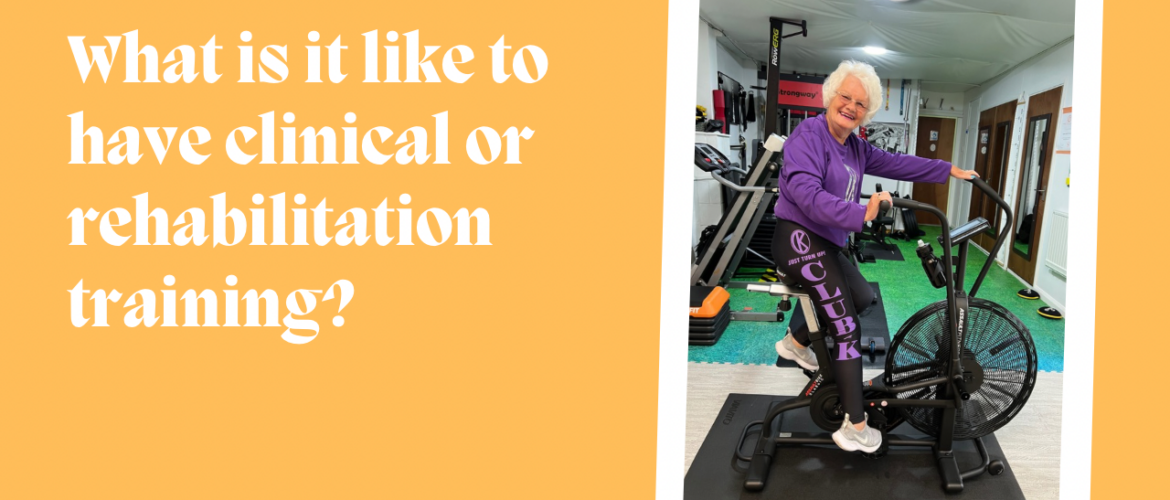
Clinical & Rehabilitation Training at Club-K Fitness
Hextable • Swanley • Dartford
If you’re living with a medical condition, recovering from surgery, or managing your health long term, exercise needs to be done properly, safely, and with a clear purpose. At Club-K Fitness, clinical and rehabilitation training is designed to support your health, improve your quality of life, and help you regain confidence in your body.
I’m Luke, the owner of Club-K Fitness, and this blog explains what clinical and rehabilitation training is, how it differs from standard personal training, and what your journey looks like if you choose to train with me here in Hextable, near Swanley and Dartford.
Personal Training vs Clinical & Rehabilitation Training
Personal training is generally aimed at people from the general population who do not have diagnosed medical conditions.
Clinical and rehabilitation training is different. It is specifically designed for people who:
- Have one or more medical conditions
- Are recovering from surgery or illness
- Have been referred by their GP or consultant
- Need exercise adapted to their health, medication, and symptoms
This type of training requires specialist qualifications, detailed planning, and a much higher level of responsibility.
Medical Conditions I Am Qualified to Work With
At Club-K Fitness, I am qualified to deliver exercise for a wide range of clinical conditions under exercise referral, GP referral, and rehabilitation settings.
General Clinical Conditions
- Anxiety
- Depression
- Stress
- Back pain and non-specific low back pain
- Obesity
- Diabetes (Type 1 and Type 2)
- Metabolic syndrome
- High cholesterol (hypercholesterolaemia)
- High blood pressure (hypertension)
- Joint replacement
- Osteoarthritis
- Osteoporosis
- Rheumatoid arthritis
Cardiac Rehabilitation
I have specialist training in cardiac rehabilitation, including work with clients who have:
- Atrial fibrillation
- Chronic heart failure
- Coronary artery disease
- Pacemakers or ICD implants
- Peripheral artery disease
- Post-cardiac surgery (including bypasses and valve replacements)
- Stable angina
This includes clients who have completed Phase III cardiac rehab and are moving into Phase IV exercise.
Neurological Conditions
I am also qualified to work with neurological conditions, including:
- Acquired brain injury
- Traumatic brain injury
- Parkinson’s disease
- Stroke and TIA (mini-stroke)
- Spinal cord injury
- Multiple sclerosis
- Cerebral palsy
- Motor neurone disease (ALS)
Pulmonary Rehabilitation
Pulmonary rehabilitation training covers conditions such as:
- Chronic asthma
- Chronic bronchitis
- COPD (chronic obstructive pulmonary disease)
- Emphysema
- Pulmonary hypertension
- Cystic fibrosis
- Chronic pulmonary disease
What a Typical Session Looks Like
Most clinical and rehabilitation sessions are 30 minutes long. This is intentional, as longer sessions can often be too demanding depending on your condition, energy levels, and medication.
I also run a specialist “Use It or Lose It” class on Thursday mornings, designed particularly for:
- Cardiac rehabilitation
- Pulmonary rehabilitation
- GP and exercise referral clients
This class is gentle, structured, and focused on maintaining strength, mobility, and independence.
Your First Step: The Consultation
If it’s your first time coming to Club-K Fitness, everything starts with a consultation.
During this session:
- We talk through your medical history and current health
- You bring a list of your medications so I can understand how they affect exercise
- We discuss your goals — which may be as simple as getting in and out of the bath, walking further, improving balance, or maintaining everyday independence
I will repeat everything back to you to make sure I have understood your situation correctly. This is an important step to ensure nothing is missed.
Behind the Scenes: How Your Programme Is Built
After your consultation, I do not train you immediately. Instead, I take time to plan properly.
This includes:
- Reviewing ACSM (American College of Sports Medicine) guidelines specific to your condition
- Checking NICE guidelines to ensure best practice in the UK
- Reviewing your medication and how it affects heart rate, breathing, fatigue, and exercise tolerance
- Choosing the safest and most appropriate ways to monitor intensity, such as:
- Borg scale
- Breathlessness scale
- Talk test
- Heart rate monitoring
This preparation ensures your programme is safe, effective, and tailored specifically to you.
Training at Club-K Fitness
Training takes place in a private studio in Hextable, serving clients from Swanley and Dartford.
The space includes:
- SkiErg
- Air bikes (upper and lower body)
- Seated bikes
- Rowing machine
- Treadmill (for walking where appropriate)
- Cable machine
- Pilates reformers
- Floor-based and seated exercise options
It is just you and me in the room. This private environment is especially important for clients with neurological conditions, anxiety, or symptoms that may feel uncomfortable in a public gym setting.
How Often Will You Train?
Most clients start with one session per week. This allows me to:
- See how you respond to exercise
- Monitor recovery and symptoms
- Adjust the programme safely
Once a solid foundation is in place, we can discuss increasing frequency if appropriate.
Real-World Experience
Over the past year, I have worked extensively with:
- Clients with Type 1 and Type 2 diabetes
- People recovering from brain tumour surgery
- Clients living with Parkinson’s disease
- Individuals rebuilding confidence, strength, and independence after illness
Progress is rarely perfect — and that’s okay. Dropping things, feeling unsteady, or having off days is all part of the learning process. This is a supportive, judgement-free environment.
Ready to Get Started?
If you’re considering clinical or rehabilitation training in Hextable, Swanley or Dartford, the first step is simple.
Book a consultation through the website, come in for a chat, and we’ll see how we can work together. From there, I’ll guide you through a structured, supportive journey towards the goals that matter most to you.